Travel to Morocco: The Ultimate Guide for International Visitors
If you want to travel to Morocco and truly feel the country instead of just passing through it, this guide is for you. Morocco is not only a destination; it is a rhythm, a contrast, and a story that unfolds from one region to another. To travel to Morocco well, you need more than a list of places. You need local insight, a little planning, and the curiosity to enjoy the culture with an open mind.
The best way to travel to Morocco is to blend discovery with respect. That means tasting slowly, walking carefully through medinas, watching the landscape change from coast to mountains to desert, and letting each city show you a different side of the country. from Marrakech and Fez to the Atlas Mountains, coastal cities, and desert regions.
Why travel to Morocco should be on every international traveler’s list
To travel to Morocco is to experience a rare mix of heritage, hospitality, and landscapes. Marrakech’s medina, for example, is part of a UNESCO World Heritage site, and its monuments include the Koutoubia Mosque, the kasbah, the Saadian tombs, and the Badiâ Palace ruins. Fez is an imperial city with a historic medina recognized by UNESCO, while Ait Ben-Haddou stands as a remarkable example of traditional earthen architecture in southern Morocco. Volubilis adds a Roman layer to the journey, showing how many civilizations have left their mark here.
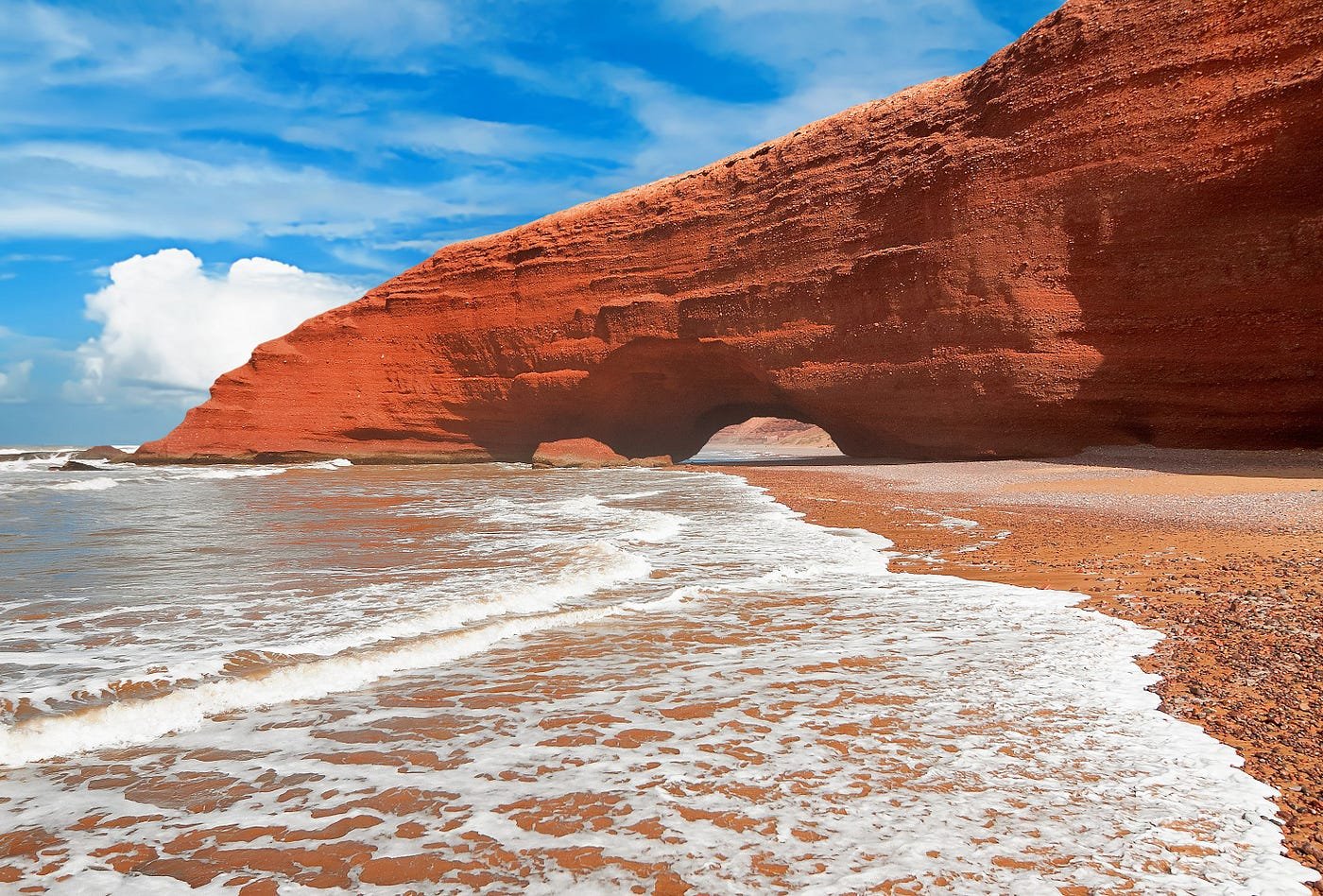
What makes travel to Morocco special is not only the monuments. It is the feeling of moving through very different worlds in a single trip. One day you can be in a buzzing souk surrounded by spices and lanterns, and the next day you can be in the Atlas Mountains, a coastal town, or the open desert. Morocco’s tourism office presents destinations such as Marrakech, Fez, Azilal in the Atlas region, Chefchaouen, Dakhla, Essaouira, and Merzouga, which shows how wide the country’s travel appeal really is.
How to travel to Morocco like an expert
Choose the right season
The first rule to travel to Morocco wisely is to match your route with the weather. Morocco’s official tourism information describes the country as climatically diverse: the coast is mild, inland areas are more continental, and the Sahara is best approached in spring and autumn. That matters because your comfort will change depending on whether you are heading to the coast, the mountains, or the desert.
My local advice
If your dream is desert dunes, go when temperatures are softer. If you want city walks, museums, riads, and rooftop dinners, spring and autumn are often the most pleasant seasons for a first trip. If your plan is mainly the coast, you can usually travel to Morocco more flexibly, because the Atlantic and Mediterranean areas tend to feel easier year-round than the deep south.
Build a route that has contrast
A great travel to Morocco itinerary should not be built around one city only. The strongest trips combine at least three experiences: an imperial city, a nature or mountain escape, and one special landscape like the desert or coast. That way, the journey feels complete and emotionally varied.
A smart first-time route
A balanced route could connect Marrakech, the High Atlas or Azilal region, then continue to the desert near Merzouga, and finish on the coast in Essaouira or Casablanca. Another strong combination is Fez, Volubilis, Chefchaouen, and the northern coastline. Morocco’s official tourism pages already frame the country around cultural heritage, nature, beach, shopping, gastronomy, trekking, and wellness, which is a good reminder that travel to Morocco works best when it is not reduced to one stereotype.
Pack for contrasts, not just for sunshine
When people travel to Morocco, they often think only about warm weather. In reality, you may need light clothes for the day, something warmer for evenings, and comfortable shoes for medinas, stairs, and uneven paths. If your route includes the mountains or desert, layer your wardrobe so you can adapt quickly.
Practical packing logic
Bring breathable clothing, a light jacket, comfortable walking shoes, and a scarf or wrap that works for sun, wind, or modest settings. If you plan to move between city and desert, pack with flexibility in mind. The goal is not to overpack; the goal is to be ready for change.
The destinations that make travel to Morocco unforgettable
Marrakech: energy, color, and timeless movement
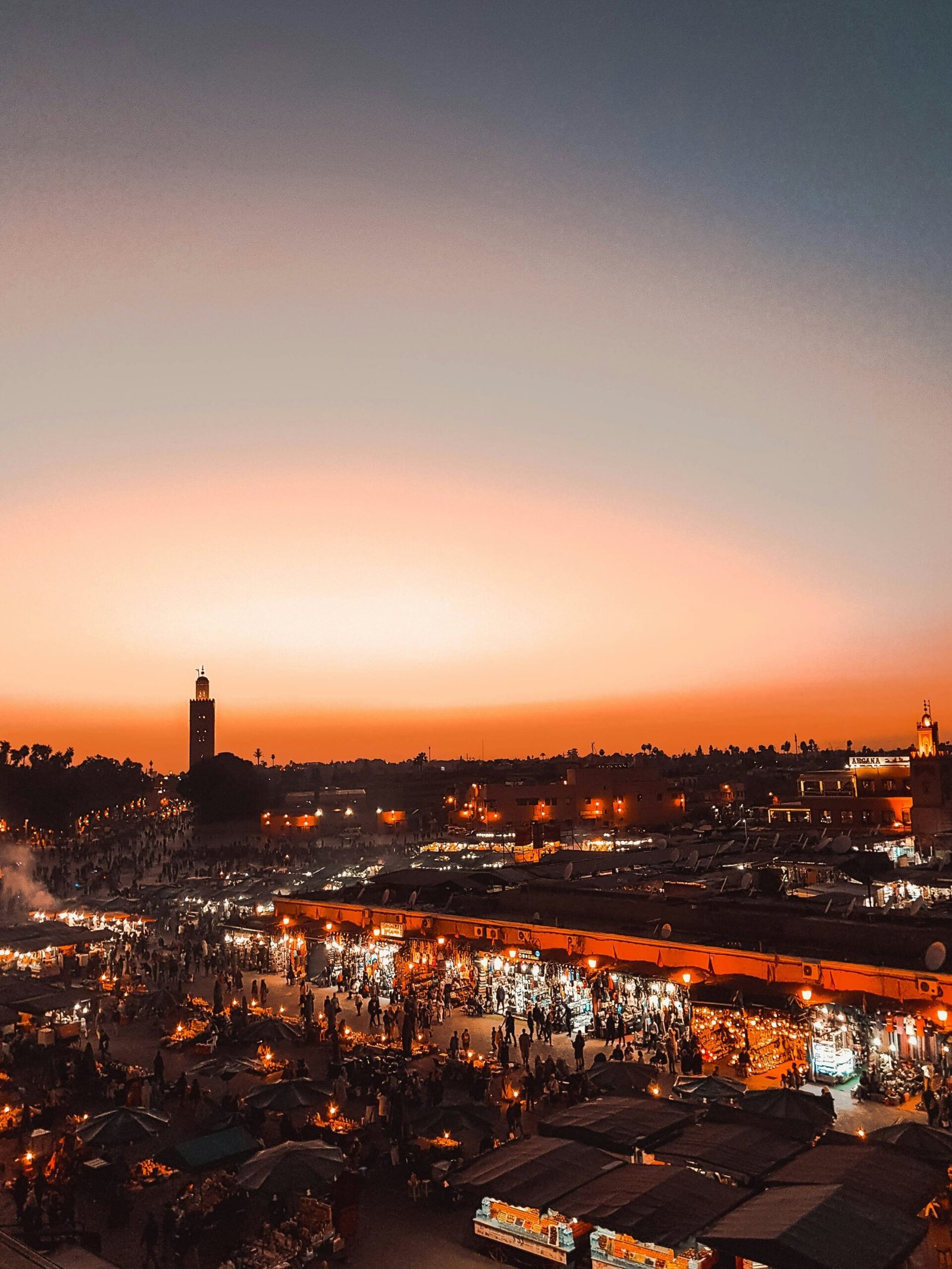
For many travelers, travel to Morocco begins in Marrakech, and that makes sense. Marrakech is a city of atmosphere. Its medina, souks, riads, and terraces create a sensory experience that stays in memory. The official tourism page describes the city as a place of tradition and modernity, with Jemaa El-Fna, the souks, the medina, the Menara gardens, and the lively districts beyond the old walls. UNESCO also confirms the value of its historic core.
How to enjoy Marrakech well
Do not try to “finish” Marrakech in one rushed day. Wake early, explore calmly, take a pause in a riad or café, and return in the evening when the city changes mood. Marrakech is not just something to see; it is something to absorb. That is why many visitors who travel to Morocco remember Marrakech as the place where the trip truly started to feel alive.
Fez: history, learning, and a deeper Morocco
If Marrakech is rhythm, Fez is memory. Fez is one of the most rewarding places to travel to Morocco if you want history and cultural depth. The official tourism page presents it as an imperial city with a long multicultural history, and it highlights the medina of Fez, the Bab Boujloud entrance, the Quaraouiyin Mosque, the tanneries, and the city’s strong gastronomic reputation.
Why Fez matters
Fez rewards travelers who enjoy slow discovery. It is the kind of city where small details matter: carved wood, quiet courtyards, craft traditions, and the feeling that history is still alive. If your goal is to travel to Morocco for more than photos, Fez should be high on your list.
The Sahara: the experience people remember forever
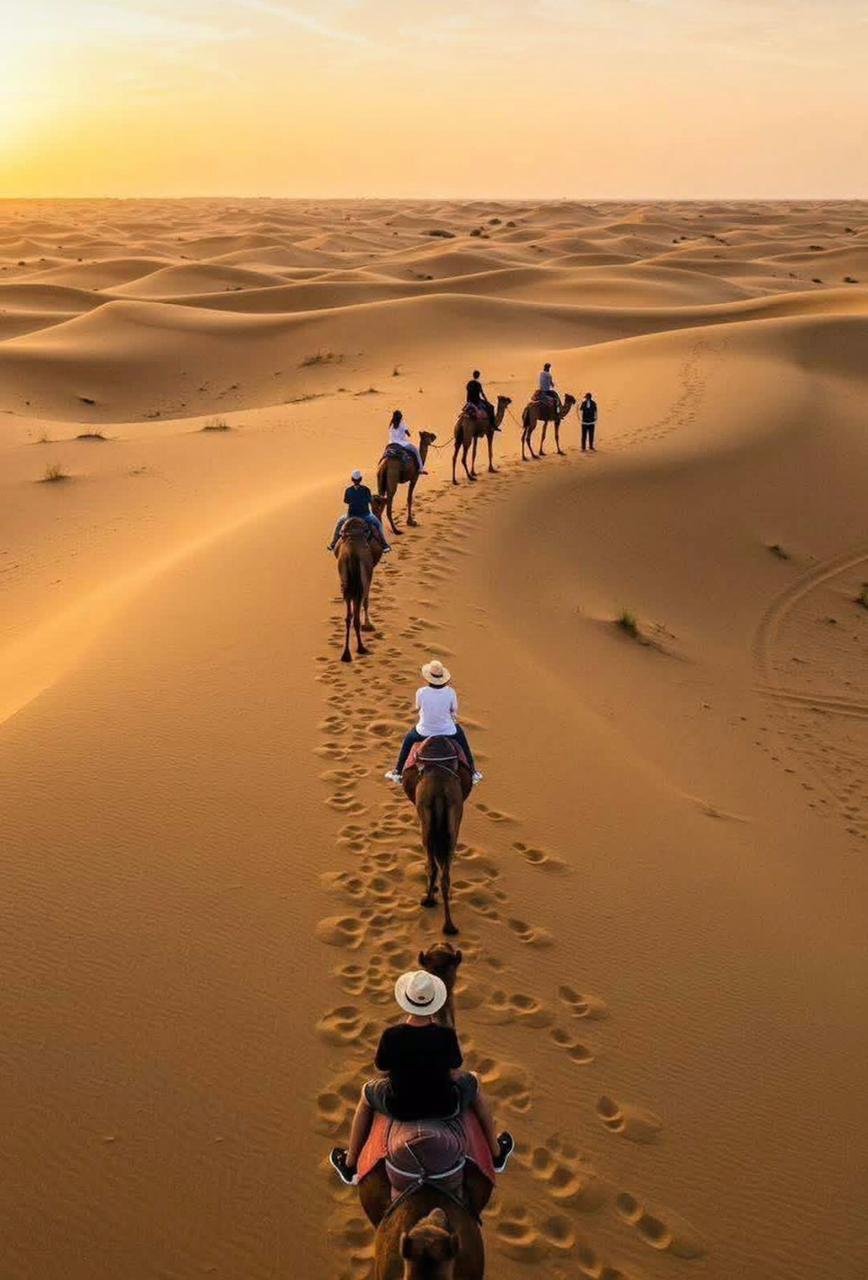
No article about how to travel to Morocco is complete without the Sahara. Morocco’s official tourism guidance notes that the southern desert is especially worth visiting in spring and autumn. The desert is not only about dunes; it is about silence, scale, stars, and the emotional contrast with the cities you visited before.
How to make the desert trip meaningful
Do not treat the desert as a one-night checklist item. Arrive with time, slow down, and let the landscape breathe. A camel ride, a sunset, a simple meal, and a quiet night sky can become the most powerful part of your journey. This is one of the rare places where travel to Morocco feels less like tourism and more like an experience of presence.
The Atlas Mountains: space, air, and a different pace
If you want to travel to Morocco and feel how the country changes outside the cities, the Atlas Mountains are essential. Morocco’s tourism office presents the Atlas region, including Azilal, as a place of landscapes, culture, crafts, and ecotourism. That means you can pair scenic beauty with community-based travel and a slower pace.
What the mountains give you
The mountains give you silence, views, and a break from urban intensity. They also help balance a trip that might otherwise feel too city-centered. For many visitors, adding the Atlas is what transforms a standard itinerary into a richer travel to Morocco story.
The Atlantic coast: fresh air and easy living
A smart travel to Morocco plan should include the coast if your schedule allows. Morocco’s official tourism pages point to destinations such as Essaouira, Agadir, Taghazout, Al Hoceima, and Dakhla, each offering a different coastal identity. Essaouira is known for a softer, artistic atmosphere, while Agadir and Taghazout are associated with sun and beach time.
Why the coast is underrated
International travelers often focus on desert and medinas, but the coast is where your trip can slow down beautifully. It is ideal for recovery days, seafood, walks, and a different kind of Moroccan light. If you travel to Morocco for 10 days or more, the coast can make the whole journey feel more balanced.
Plan Your Dream Trip & Visit Morocco Like Never Before
Ready to turn your dream into reality and finally visit Morocco the way it deserves? Don’t settle for a basic trip—experience Morocco through carefully designed journeys that combine culture, adventure, and authenticity.
Local tips from a Moroccan that make travel to Morocco easier
Respect the rhythm of local life
The smartest way to travel to Morocco is to observe first and act second. In busy places, move with patience. In religious or traditional settings, dress and behave respectfully. In medinas, follow the crowd calmly, and remember that a little courtesy goes a long way. This is not about strict rules; it is about cultural intelligence.
Learn a few words
Even a small effort matters. A hello, thank you, please, and goodbye in Darija or French can change the tone of an interaction. Morocco’s tourism office even includes practical language and essential vocabulary in its travel guidance, which is a good sign that communication is part of the visitor experience.
Carry cash, but do not rely on cash alone
When you travel to Morocco, cash is still very useful, especially in smaller places, markets, and local services. Morocco’s tourism office states that the official currency is the Moroccan dirham and notes that cash and credit card payment are both used, with exchange offices available in airports, hotels, banks, and city locations.
Practical money advice
Keep small notes for taxis, tips, snacks, and small purchases. Use cards where they are accepted, but do not assume every situation will be digital. In Morocco, convenience often comes from having both options ready.
Use official tools and reliable transport
Morocco’s official tourism office recommends useful travel apps such as Météo Maroc for weather and ONCF Trafic for train updates. That is helpful because a well-planned travel to Morocco itinerary is easier when you check weather and transport in advance instead of improvising at the last minute.
Verify entry requirements before you fly
Visa and passport rules can depend on nationality, and Morocco’s tourism office says the tourist stay is generally limited to 90 days, with passport validity requirements that should be checked before arrival. For an international traveler, this is not a detail to leave for the airport.
How to create unforgettable moments, not just a checklist
The biggest mistake people make when they travel to Morocco is trying to collect places instead of experiences. A good trip is not the one with the most photos; it is the one with the best balance of discovery, rest, food, and atmosphere.
Slow mornings, long lunches, and one great sunset
Give yourself one slow morning in a riad. Give yourself one lunch where you simply sit and enjoy the moment. Give yourself one sunset that is not rushed. Morocco rewards travelers who do less, but do it better.
Eat like you are exploring the country through flavor
Moroccan food is part of the journey. Let the trip include tagine, couscous, fresh bread, mint tea, pastries, seafood on the coast, and regional specialties. To travel to Morocco well is also to let taste become part of the memory.
Buy less, choose better
In the souks, buy with intention. Choose one or two pieces that feel meaningful rather than filling your suitcase with random souvenirs. A good travel memory is often stronger than a large shopping bag.
FAQs for international travelers
What is the best time to travel to Morocco?
The most comfortable period depends on your route, but Morocco’s official tourism guidance says the Sahara is especially suited to spring and autumn, while the coast can be pleasant across the year and inland areas offer trekking opportunities in all seasons.
How many days do I need to travel to Morocco properly?
Seven days is enough for a first taste, but 10 to 14 days gives you a much better balance of city, desert, and coast. A shorter trip should focus on one region; a longer trip can combine several. That structure makes travel to Morocco feel more complete.
Which cities should first-time visitors include?
Marrakech and Fez are excellent starting points because of their cultural weight and official tourism importance. If your schedule allows, add the Atlas region, a desert stop near Merzouga, and a coastal city such as Essaouira or Agadir.
Is cash important when I travel to Morocco?
Yes. Morocco’s tourism office confirms that the Moroccan dirham is the local currency and that both cash and card are used, with exchange offices available in airports, hotels, banks, and cities.
What should I pack for travel to Morocco?
Pack comfortable walking shoes, layered clothing, sun protection, a light jacket, and a scarf or wrap. Morocco is a country of contrasts, so smart packing matters more than heavy packing. The goal is to be ready for medinas, mountains, coast, and desert in one trip.
Travel to Morocco with curiosity, not just a camera
To travel to Morocco is to enter a country that is ancient and modern, welcoming and complex, familiar and surprising. The best visitors are not the ones who rush through every landmark. They are the ones who move with curiosity, respect, and enough time to let the country speak to them.
